This workshop has been cancelled.
October 16-17, 2026 | 9a - 4p daily
Tuition: $150 | MMAM Member Rate: $140 | Materials fee: $15
This workshop has been cancelled.
About the workshop
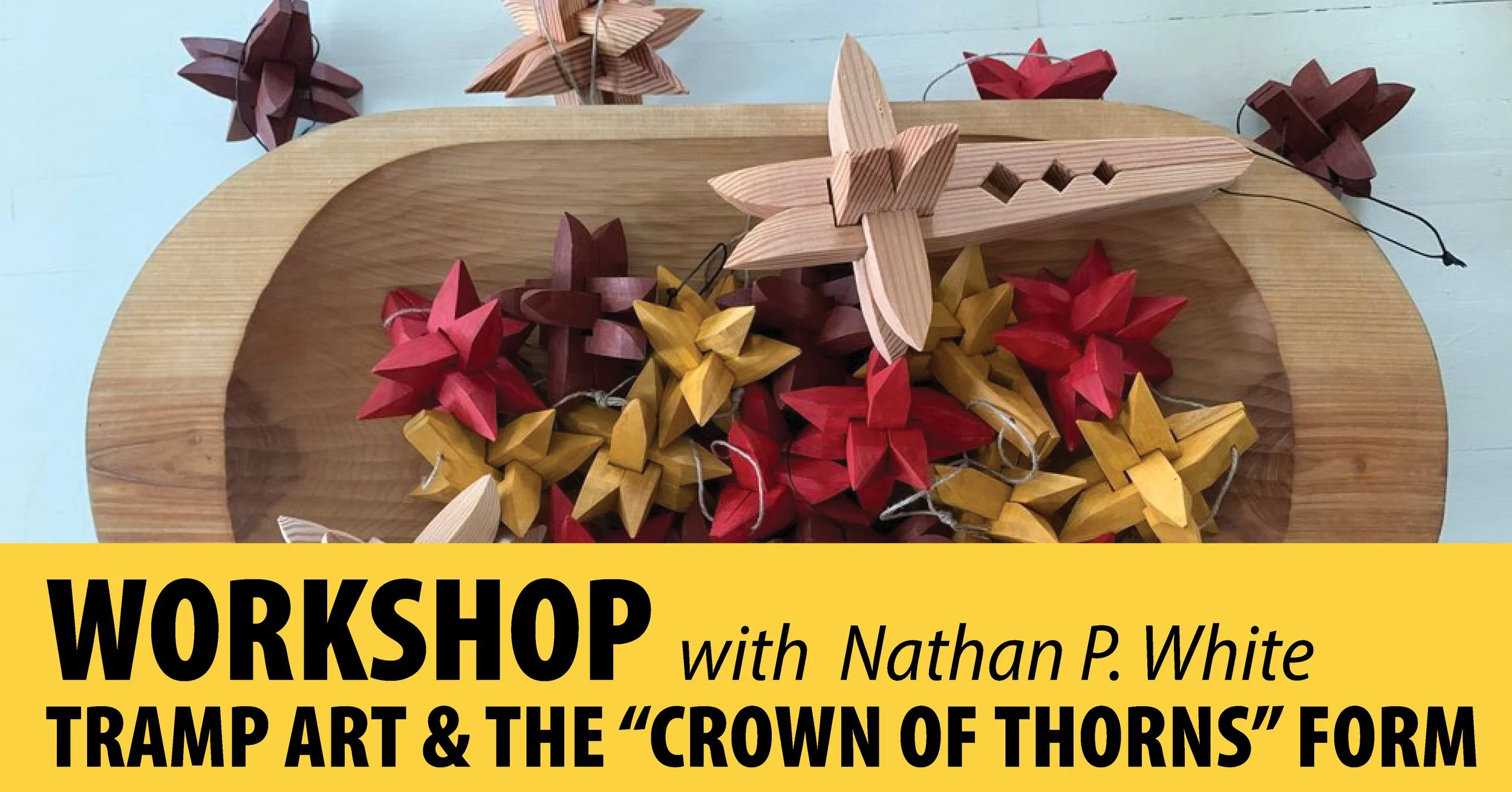
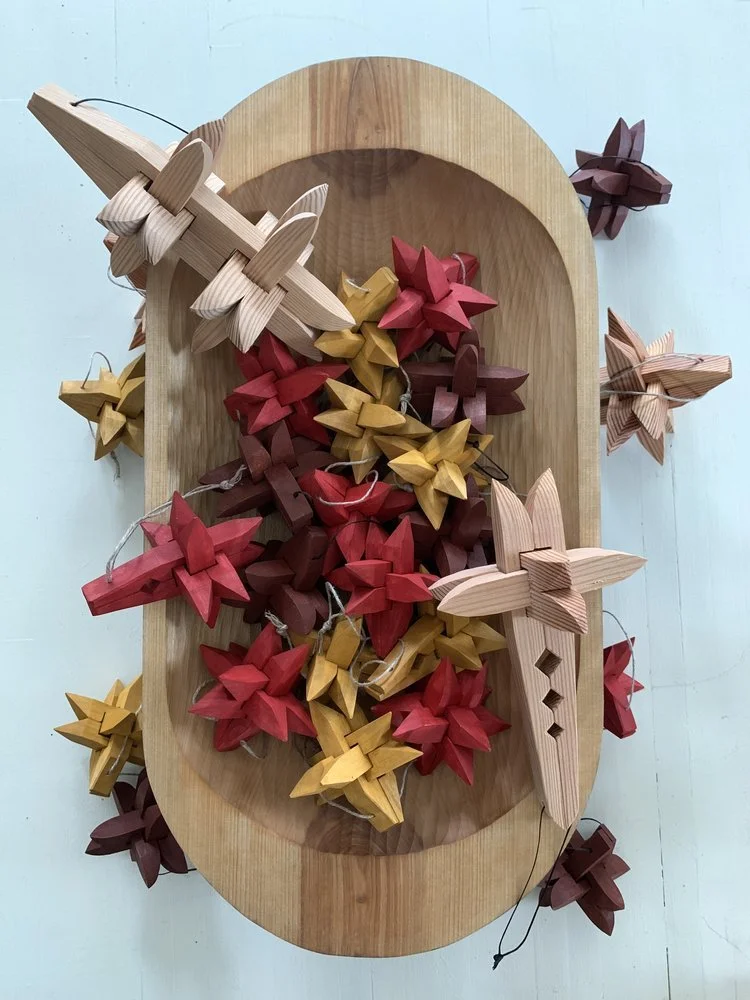
Discover the history, ingenuity, and handcraft of Tramp Art, an expressive American folk art tradition shaped by resourcefulness and imagination. Emerging in the late 19th century and often made by itinerant workers and immigrants from Northern and Eastern Europe, Tramp Art transformed discarded materials like cigar boxes and fruit crates into intricate frames, boxes, and sculptural forms.
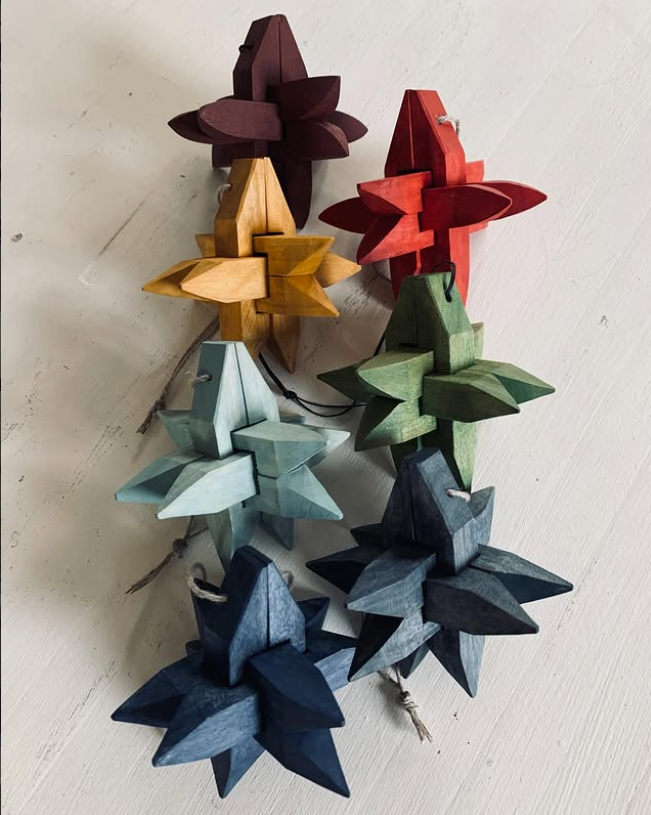
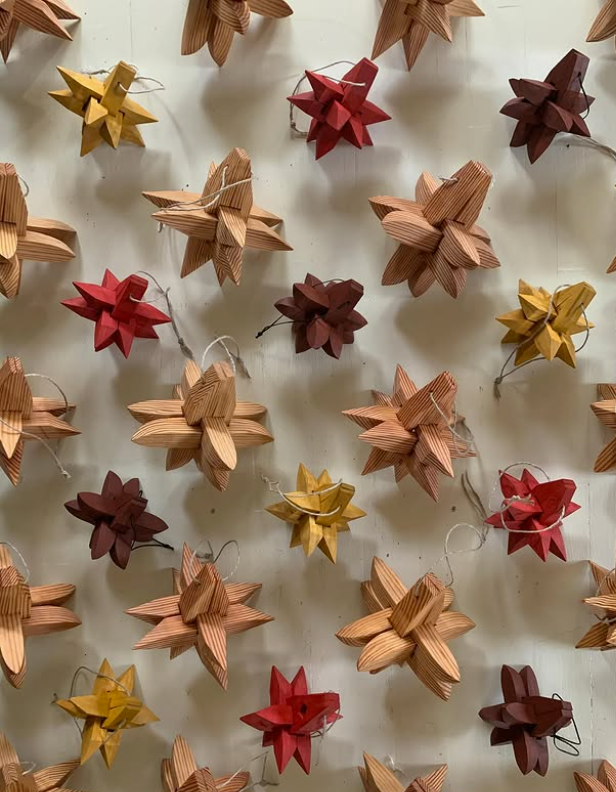
In this hands-on workshop, participants will explore the “Crown of Thorns” construction technique—a hallmark of Tramp Art characterized by carefully notched and interlocking wooden pieces. Guided by woodworker Nathan White, students will learn the fundamentals of knife work, joinery, and hand-carving while crafting a star-shaped ornament or small decorative object. Along the way, Nathan will share insights into the cultural history of the form and its enduring spirit of reuse and creativity.
No prior woodworking experience is required, though patience, curiosity, and a steady hand will serve you well. All wood will be prepared in advance, and tools will be provided or available for purchase.

About the instructor
Nathan White is a woodworker and artist whose practice bridges traditional craft and contemporary expression. Originally from Milwaukee and now based in Minnesota, he first discovered woodworking through spoon carving before apprenticing at the Carpenter’s Boat Shop in Maine, where he built wooden boats and furniture. Since then, his work has expanded to include bowl turning, carving, and the creation of sculptural shrines and altars that honor the vessel as both a functional and symbolic form.
White has received multiple Minnesota State Arts Board Folk and Traditional Arts Grants and has held residencies at Anderson Ranch Arts Center and North House Folk School, where he is currently part of the Artisan Development Program. He brings to his teaching a deep respect for craft lineage and a belief in the cyclical nature of learning—where skills are practiced, shared, and passed forward through the hands of each new maker.
Support comes from
MMAM acknowledges sustaining support from generous contributions from foundations, corporations, individuals, members and volunteers, including ongoing support from our Board of Directors and AmericInn by Wyndham.


This activity is made possible by the voters of Minnesota through a Minnesota State Arts Board Operating Support grant, thanks to a legislative appropriation from the arts & cultural heritage fund.

![December Third Thursday [Craft + Cocktail]](https://images.squarespace-cdn.com/content/v1/5b7b157831d4df3206e42eaf/1776893306618-EG0L0IM4FRXBN2SE3QP4/2026.Third.Thursday.Square.yellow.jpg)
